


By Rev. Racquel Ray, Associate Minister of Congregational Life
As part of my on-going course work at Boston University, this semester takes a deep look into the meaning of Sabbath across Jewish and Christian understandings. Beginning with the Genesis account of Creation and the Deity’s determination to REST on the seventh day, the Jewish Law in-turn developed around Sabbath keeping. And, subsequently, the Christian practice of Sabbath keeping grew from that. In the early church, which was Jewish, believers in The Way of Jesus, practiced their Jewish Sabbath from sundown on Friday until sundown on Saturday and the sharing of the Christ’s meal on Sunday. Over time, Sunday is considered the Christian Sabbath, marked with going to church and sharing sacred space with the worshipping congregation. How do you keep the Sabbath? 
Students in my class have been assigned the work of not only understanding the historic, theological, and Spiritual aspects of Sabbath, we have been assigned the work of INTEGRATING Sabbath practices into our own lives. Most of the students are Christian pastors. How do Christian pastors integrate Sabbath practices when Sunday is the day we all work?!
Needless to say, our class cohort of caregivers has comically struggled to take time away from caring! Our work is never ‘complete’ and there are always more emails to respond to, more members to check on, more meetings to attend. And, for many of us caregiving doesn’t end when we are not at work – with families and friends to attend to as well. Our biggest challenge has been learning to add ourselves to the caregiving list. And many of us (type A overachievers) did not make Sabbath space and time until it was an assignment – for a grade!
 Rabbi Abraham Heschel, a contemporary of Rev. Dr. Martin Luther King Jr., wrote in his classic text, The Sabbath, that Sabbath is a “sanctuary of time”*. No longer a space set aside for the work of sabbath keeping as in the rituals of the church, the Sabbath as a time set apart for community and for self. Sabbath is a time for communion with God. It is a time of awe, rest, reflection, and a sense of ‘coming away’ from the business of the physical world. It is a time set apart from the world; a time to simply BE with God.
Imagine, the Creator of the Cosmos, resting after Creation, saying that humans are indeed very good, is waiting and resting to simply BE with you? Imagine on your busiest days, simply acknowledging that God is waiting for you to rest? God is already there waiting for you to stop and notice. Remember Moses at the Burning Bush – noticed the bush and stopped – removing his shoes in the presence of God?
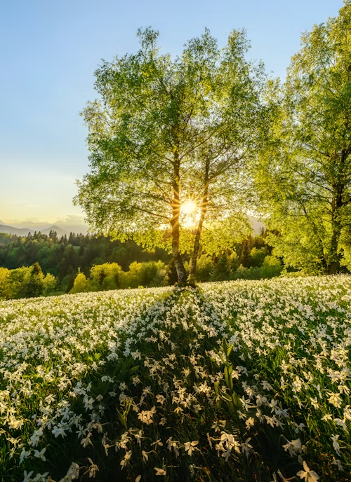
What does Sabbath look like for you? What causes you to stop and notice and take off your shoes in the presence of God. It is as easy as the stillness of the pre-dawn morning; the first sip of dark coffee in the darkness of a quiet house. It is as easy as driving ‘the long way’ home to have a few more minutes with a favorite song on the radio. It is as easy as turning off electronics early in the evening and having stillness before sleep. It is as easy as taking a walk outside (weather permitting) and spending time just BEING in awe of creation. What does it look like to add Sabbath time to your day or to your calendar?
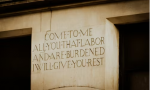
Whatever Sabbath looks like for you – in your busy lives – I invite you to stop and notice God’s presence. I invite you to set apart time with God; turn off devices, light a candle, take a breath, and take off your shoes. God is already there waiting, inviting, and with open arms says you are very good. Come and rest.
———————–
References
*Heschel 1951, 29 (Heschel, Abraham J. 1951. The Sabbath. Paperback, 2005 ed. New York, NY: Farrar, Strauss and Giroux.)